
Hear from Our Customers
You can’t fix what you can’t identify. That’s the problem with mold—it hides in walls, crawls through ductwork, and grows behind surfaces you’d never think to check.
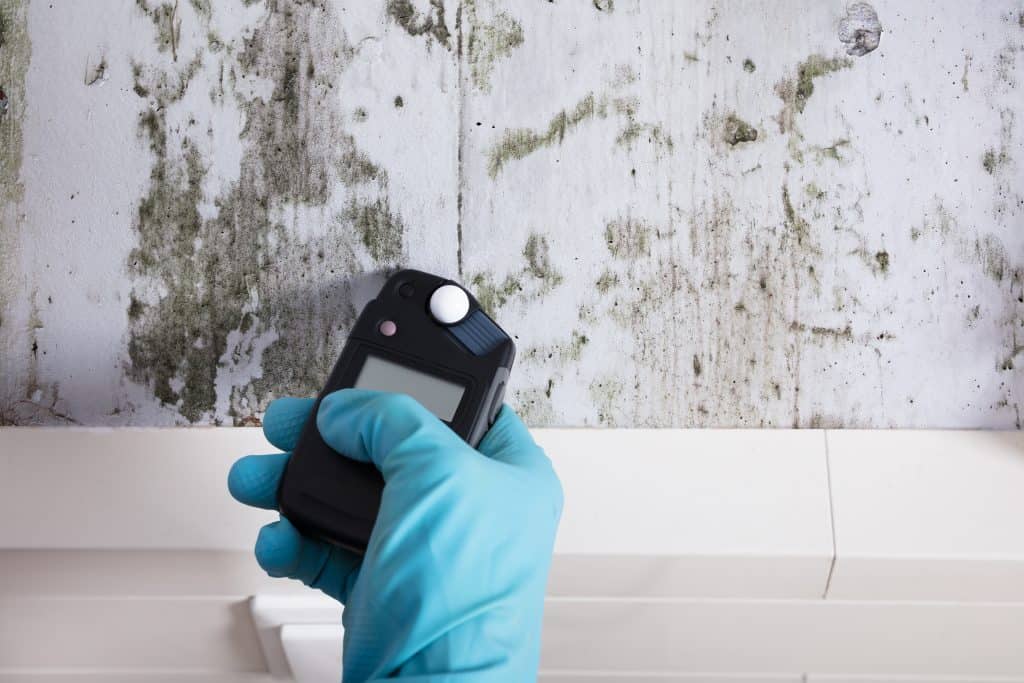
A professional mold test gives you the full picture. Not just whether mold is present, but what type, how much, and where it’s coming from. That matters because black mold requires different handling than surface mildew. High spore counts mean different risks than isolated growth.
You get a detailed lab report that tells you what’s actually happening in your home. No guessing. No overreacting. Just clear information so you can make the right call—whether that’s remediation, monitoring, or peace of mind that your air quality is fine.
Testing also protects your investment. Homes with visible mold issues can lose over $99,000 in resale value. Catching problems early keeps small issues from becoming expensive ones.
We’ve spent over 20 years inspecting air quality and testing for mold across Bucks County. We know how Pennsylvania’s climate affects your home—the humidity swings, the increased precipitation, the moisture issues that come with older construction common throughout Bridge Valley.
Our team holds IICRC certification, which means we follow industry standards for sampling, testing, and reporting. We’re not a restoration company trying to upsell you on work you don’t need. We test, we report, and we tell you what the results mean.
You get independent lab analysis and documentation that meets Pennsylvania Department of Health standards. That matters for insurance claims, real estate transactions, or just knowing your family is breathing clean air.
We start with a visual inspection of your property. That means checking areas where moisture problems typically show up—basements, bathrooms, crawl spaces, attics, around windows and doors. We’re looking for visible growth, water stains, condensation patterns, and conditions that support mold development.
Next comes air sampling. We collect air samples from multiple locations in your home and send them to an independent laboratory for analysis. This identifies airborne mold spores you can’t see and measures concentration levels in different rooms.
If we find visible growth or suspect hidden contamination, we take surface samples. These get analyzed to identify the specific mold species present. That’s important because different types pose different health risks and require different approaches.
You receive a detailed report within a few days. It breaks down what we found, what it means, and what you should do next. If remediation is needed, we explain the scope clearly. If levels are normal, you have documentation proving your air quality is safe.
The whole process typically takes a few hours onsite, depending on your property size. We work around your schedule and explain everything as we go.
Ready to get started?
Your mold testing service includes a complete visual inspection of your property, professional air sampling from multiple locations, and surface testing of any suspicious areas. All samples go to EPA-certified laboratories for species identification and concentration analysis.
You receive a comprehensive written report with lab results, photos of problem areas, and clear recommendations. The report meets insurance and legal documentation standards if you need it for claims or real estate transactions.
Bridge Valley homes face specific challenges. Pennsylvania’s precipitation has increased 5-10% in recent years, and Bucks County’s mix of older and newer construction creates varied moisture vulnerabilities. Homes built before modern moisture barriers often trap humidity in basements and crawl spaces. Newer construction can have ventilation issues that create condensation problems.
We account for these local factors during inspection. That means checking the spots where Bridge Valley homes typically develop problems—stone foundation walls that wick moisture, improperly vented bathrooms, attic spaces with inadequate airflow.
The testing also identifies the moisture source feeding mold growth. Finding mold is one thing. Understanding why it’s there prevents it from coming back after remediation.
Most residential mold testing in Bridge Valley runs between $300 and $600, depending on your home’s size and how many samples we need to collect. A typical single-family home with standard air sampling from 2-3 locations and a visual inspection falls around $400.
Larger homes or properties with multiple suspected problem areas cost more because we need additional samples to get accurate results. Each air sample and surface sample gets analyzed separately by the lab, which adds to the total cost.
That price includes the onsite inspection, all sample collection, independent laboratory analysis, and a detailed written report with findings and recommendations. You’re paying for accurate identification of mold species and concentration levels—information you can’t get from a $10 hardware store test kit.
Compare that to the average mold remediation cost of $2,200. Proper testing up front prevents unnecessary remediation work and helps you focus resources where they’re actually needed.
DIY test kits can tell you if mold spores are present, but that’s about it. Here’s the problem—mold spores exist everywhere. They’re in outdoor air, indoor air, on surfaces, in dust. Finding spores doesn’t tell you if you have a problem.
Professional mold testing measures concentration levels and identifies specific species. That’s what matters. A small amount of common mold is normal. High concentrations of toxic species like Stachybotrys (black mold) require immediate action. DIY kits can’t make that distinction.
We also use professional-grade equipment to test areas you can’t easily sample yourself—inside walls, in ductwork, in crawl spaces. Our visual inspection catches moisture problems and conditions supporting growth that a test kit sitting on your counter will miss.
The lab analysis we use follows EPA protocols and provides legally defensible documentation. If you need results for insurance claims, real estate transactions, or health-related concerns, DIY kits won’t meet those requirements. You’d end up paying for professional testing anyway.
The onsite inspection and sample collection typically takes 2-4 hours for an average-sized home. Larger properties or complex situations take longer. We’re thorough because missing a problem area means incomplete results.
After we collect samples, they go to an independent laboratory for analysis. Lab turnaround is usually 3-5 business days. Rush processing is available if you’re dealing with a time-sensitive situation like a real estate closing.
You’ll receive a complete written report once lab results come back. The report includes all findings, identifies mold species present, shows concentration levels, includes photos of problem areas, and provides clear recommendations for next steps.
We walk you through the results when you receive them. Mold reports can be technical, and we want you to understand exactly what you’re looking at. If remediation is needed, we explain the scope and what it involves. If results show normal levels, you have documentation proving your air quality is safe.
Get tested if you smell musty odors but can’t locate the source. That smell means active mold growth somewhere, even if you can’t see it. Mold often grows inside walls, under flooring, or in HVAC systems where it’s hidden from view.
Test after any water damage—flooding, pipe leaks, roof leaks, sewage backups. Mold can start growing within 24-48 hours of water exposure. Even if you dried everything quickly, testing confirms whether mold developed in hidden areas.
Health symptoms are another red flag. If family members experience unexplained respiratory issues, allergies, asthma flare-ups, or eye irritation that improves when they leave the house, mold exposure might be the cause. Testing identifies whether airborne spore levels are elevated.
Real estate transactions often require mold testing. Buyers want to know what they’re purchasing. Sellers want documentation that their property is clean. Testing before listing prevents surprises during inspection and protects both parties.
Also test if you’re buying an older Bridge Valley home. Many properties in Bucks County were built before modern moisture barriers and ventilation standards. A pre-purchase mold inspection reveals hidden problems before you close.
Aspergillus is the most common indoor mold we find in Bucks County. It appears in various colors and grows on dust, powdery food items, and building materials. Most Aspergillus species cause allergic reactions in sensitive individuals but aren’t highly toxic.
Cladosporium grows in both warm and cool areas, making it common year-round in Pennsylvania. You’ll find it on fabrics, wood surfaces, and in HVAC systems. It typically causes hay fever-like symptoms and respiratory issues.
Penicillium grows on water-damaged materials, especially wallpaper, carpet, insulation, and mattresses. It spreads quickly and produces a strong musty odor. Many species trigger allergic reactions and asthma symptoms.
Stachybotrys chartarum—black mold—is less common but more concerning. It grows on materials with high cellulose content that stay wet, like drywall, ceiling tiles, and wood. Black mold produces mycotoxins that cause serious health effects with prolonged exposure.
The specific mold types in your home depend on moisture sources and building materials present. That’s why species identification through lab testing matters. Different molds require different approaches, and some pose greater health risks than others.
Yes. That’s one of the main reasons to test before jumping into remediation. Testing shows whether mold levels are elevated enough to require professional removal or if you’re dealing with normal background levels that don’t need intervention.
The lab analysis measures spore concentration in your indoor air and compares it to outdoor baseline levels. If indoor counts are significantly higher, you have active growth that needs addressing. If indoor and outdoor levels are similar, your air quality is normal.
Testing also identifies the mold species present. Some molds are cosmetic issues you can clean yourself with proper precautions. Others are toxic species that require professional remediation with containment and safety protocols.
Without testing, you’re guessing. Some homeowners spend thousands on remediation for minor surface mold that didn’t require professional help. Others ignore serious contamination because they don’t realize the scope of the problem. Testing gives you accurate information so you can make the right decision and spend money where it’s actually needed.
Other Services we provide in Bridge Valley